
Cut Grocery and Utility Bills: Smart Spending Without Sacrifice
Practical strategies for Malaysian households to reduce everyday expenses while keeping quality of life intact

Why Your Grocery Bill Keeps Growing
Most Malaysian households spend between 30-40% of their monthly budget on groceries and utilities. That’s a significant chunk. But here’s the thing — you’re not being careless. Prices genuinely have risen, and convenience costs money. The good news? There’s room to trim without eating rice and salt for dinner.
We’ve looked at what actually works for families in Malaysia, not just generic “spend less” advice. These aren’t extreme measures. You’ll still buy quality food, you’ll still have hot showers, and you won’t feel like you’re punishing yourself. Small changes add up fast when you’re consistent.
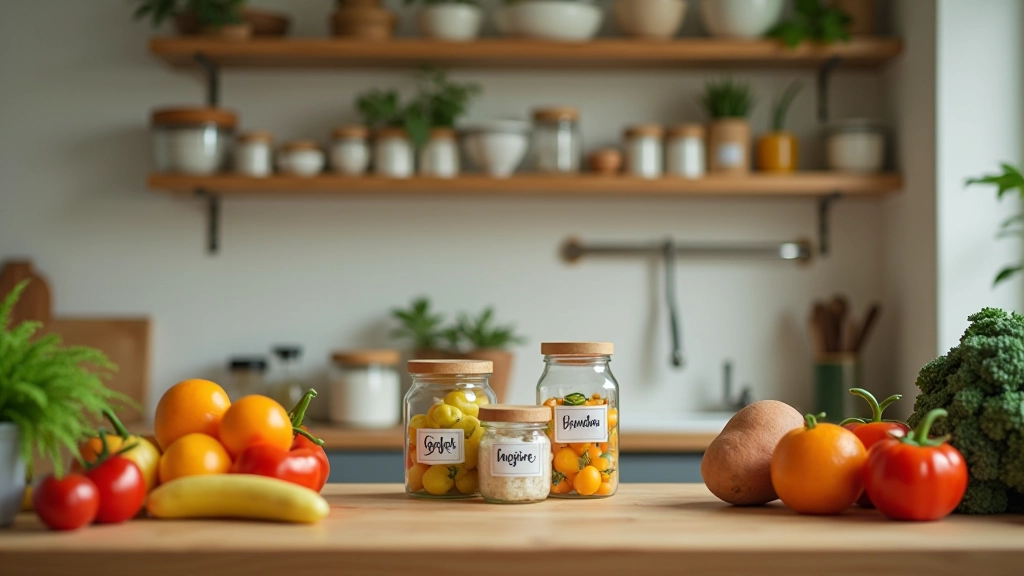
Smart Grocery Shopping: Where Most Savings Happen
The grocery aisle is where families either win or lose their monthly budget. You’re not buying fancy stuff — it’s basic items. Rice, vegetables, protein, staples. But the way you shop determines if you pay RM200 or RM150 for the same groceries.
Start by tracking what you actually spend. Many families guess. They think “I spend about RM300,” but when they actually count receipts, it’s RM400+. Knowing your real number changes everything. Apps like FamilyPay or even a simple notebook work fine.
Shop with a list. This isn’t new advice, but it works. You’ll spend 20-25% less when you’re not browsing and adding things on impulse. Buy at wet markets instead of supermarkets when possible — same quality, better prices on produce. Time it right too. Late afternoon markets often reduce prices on vegetables that won’t keep overnight.
Don’t buy the premium brands. Store brands (Tesco, Giant, etc.) are 15-30% cheaper and honestly, for rice and oil, you won’t taste the difference. Save brand loyalty for things where it matters — maybe your preferred cooking oil if it genuinely cooks better.


Meal Planning: The Hidden Money-Saver
Plan your meals for the week. Seriously. It takes maybe 30 minutes on Sunday, and you’ll save money faster than anything else. Why? Because you’re buying only what you’ll actually cook. No more “oh, I’ll use this spinach eventually” and throwing it out three weeks later.
Repetition is fine. If you make chicken curry on Monday, make it again on Thursday. Buy in bulk when items are cheap. When chicken is RM8/kg, buy extra and freeze it. When fish is on sale, grab more. You’re not locked into variety — families eating the same dish twice a week save significantly more than those who insist on something different every night.
Buy whole chickens instead of breasts. You’ll save 30-40% and get better soup stock. Eggs are cheap protein — cheaper than chicken, cheaper than fish. If your family will eat them, they’re golden. Rice with eggs and vegetables is a complete meal for under RM5 per person.
Utilities: Electricity and Water Without Going Dark
Your electricity bill climbs because of three things: air conditioning running all day, water heating, and appliances left on standby. You’ll cut costs by addressing these, not by living in darkness.
Air conditioning is the biggest cost. Setting it to 24-25C instead of 20C cuts energy use by 10-15%. You won’t notice the difference. Fan the room first, then turn on the AC. Use it only in the bedrooms at night, not the entire house. Close doors to unused rooms. This alone saves RM30-50 monthly for most families.
Water heating: Don’t use electric water heaters if you’re paying for electricity. Solar water heaters cost more upfront but pay back in 3-4 years and then it’s free hot water. If you can’t change the system, shorter showers save water and heating energy both. Fixing leaks matters too — a dripping tap can cost RM5-10 extra per month.
Turn off standby power. Your TV, router, phone chargers all draw power when “off.” Plug them into power strips and switch the strip off. It’s not dramatic savings, but RM10-20 per month adds up. LED bulbs everywhere — they’re cheaper now and last 10 years versus 1 year for incandescent.
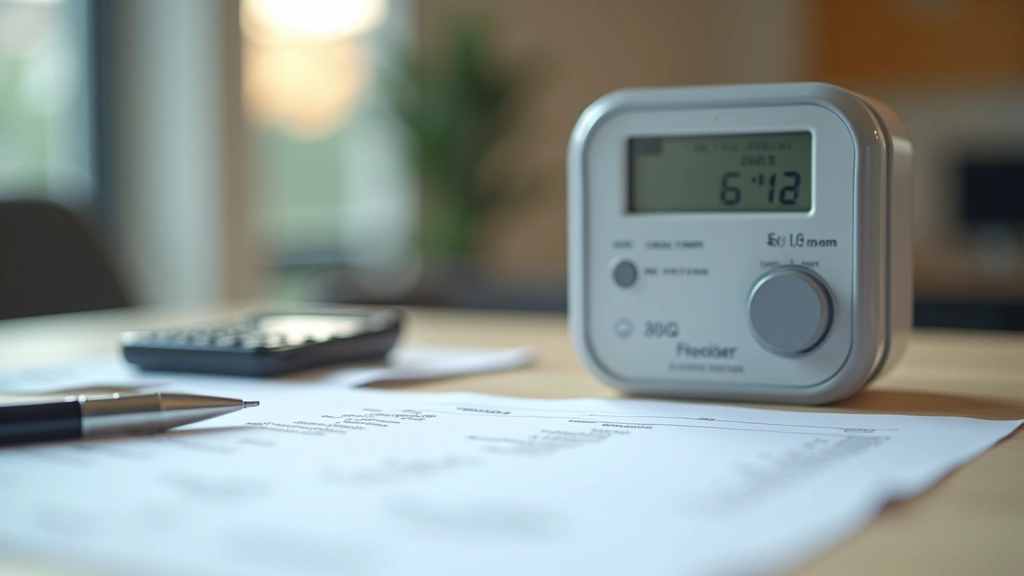
Tracking Spending: Making It Stick
You can’t manage what you don’t measure. Most families who successfully cut expenses spend 5 minutes per week logging what they spent. That’s it.
Banking Apps
Most Malaysian banks (Maybank, Public Bank, CIMB) have free budgeting features in their apps. They track your spending automatically and categorize it. Spend 2 minutes setting up categories, then let it run. You’ll see patterns you didn’t notice before.
Simple Notebook
A small notebook with columns for Date, Item, Amount, Category works perfectly. No app learning curve. Keep it in your wallet. Jot down each purchase. Weekly total takes 2 minutes. You’ll be shocked how quickly small spending adds up.
Spreadsheet Method
Google Sheets or Excel. Create columns for each spending category. Update it weekly. Takes 10 minutes per week. You can set formulas to show monthly trends and spot where money’s actually going. Many families find this eye-opening.
Quick Wins: Easy Changes That Add Up
- Buy rice in bulk: RM15-18 per 10kg at wholesale stores versus RM25+ at supermarkets. If your family eats rice daily, that’s RM50-100 saved monthly.
- Cook at home: Lunch from hawker is RM8-12 per person daily. Cook and bring it: RM2-3. Family of 4 eating out for lunch costs RM40/day. Cooking saves RM700+ monthly.
- Reduce meat portions: Instead of 200g meat per person, use 100g with more vegetables. Chicken curry tastes the same with less chicken and extra potatoes.
- Use pressure cooker: Cuts cooking time by 60% and uses 30% less electricity. Tougher cuts get tender fast, so you can buy cheaper meat.
- Stop buying drinks: Bottled water and soft drinks add up. Drink tap water (it’s safe in Malaysian cities) or buy a filter. That’s RM50-100 monthly for a family.
- Check your bills monthly: Utility companies sometimes overcharge by accident. One quick check found a family paying extra RM80 for a meter error.
The Real Story: It’s Not About Deprivation
You’re not cutting expenses because you’re bad with money. You’re doing it because you want your budget to work harder for you. RM200-300 saved monthly on groceries and utilities? That’s RM2,400-3,600 per year. For many families, that’s the difference between struggling and breathing easier.
Start with one change. Track your spending for two weeks. Pick the one thing that’ll save the most money in your situation. For some families, it’s meal planning. For others, it’s cutting AC usage or switching to wet markets. Once that becomes habit, add another change.
You don’t need to be perfect. You don’t need to eat plain rice. You don’t need to shower in the dark. Small, consistent changes compound. In three months, you’ll notice the difference in your bank account. In six months, you’ll wonder how you ever spent so much. That’s the goal — smarter spending that doesn’t feel like sacrifice.
Information Disclaimer
This article provides general educational information about household expense management and budgeting strategies. It’s not financial advice specific to your situation. Household costs, utility rates, and market prices vary by location and time. Actual savings will depend on your current spending, family size, lifestyle, and local market conditions. Always review your own bills and circumstances before making changes. For specific financial planning advice, consider consulting with a financial advisor or your bank’s customer service team.